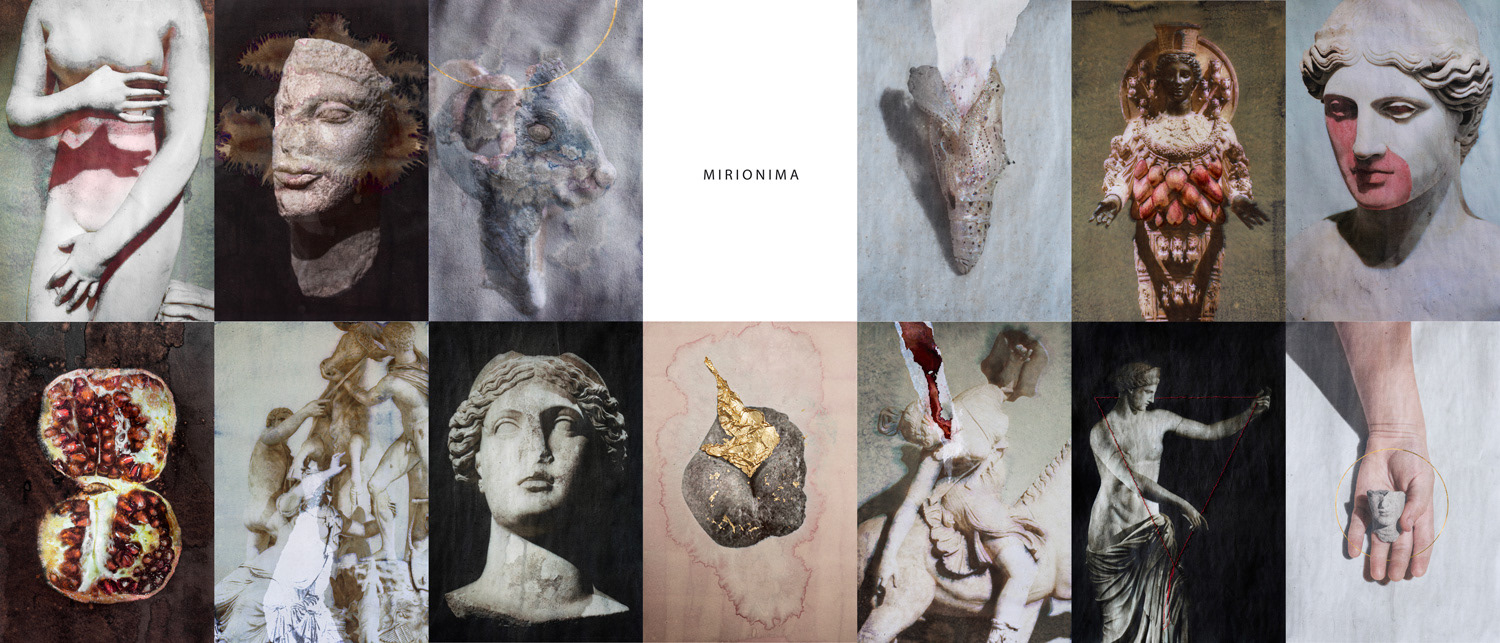
"...I, mother of all Nature and mistress of the elements, first-born of the ages and greatest of powers divine, queen of the dead, and queen of the immortals, all gods and goddesses in a single form;" ... "whose sole divinity is worshipped in differing forms, with varying rites, under many names, by all the world"
The Epiphany of Isis in The Metamorphoses — Lucius Apuleius
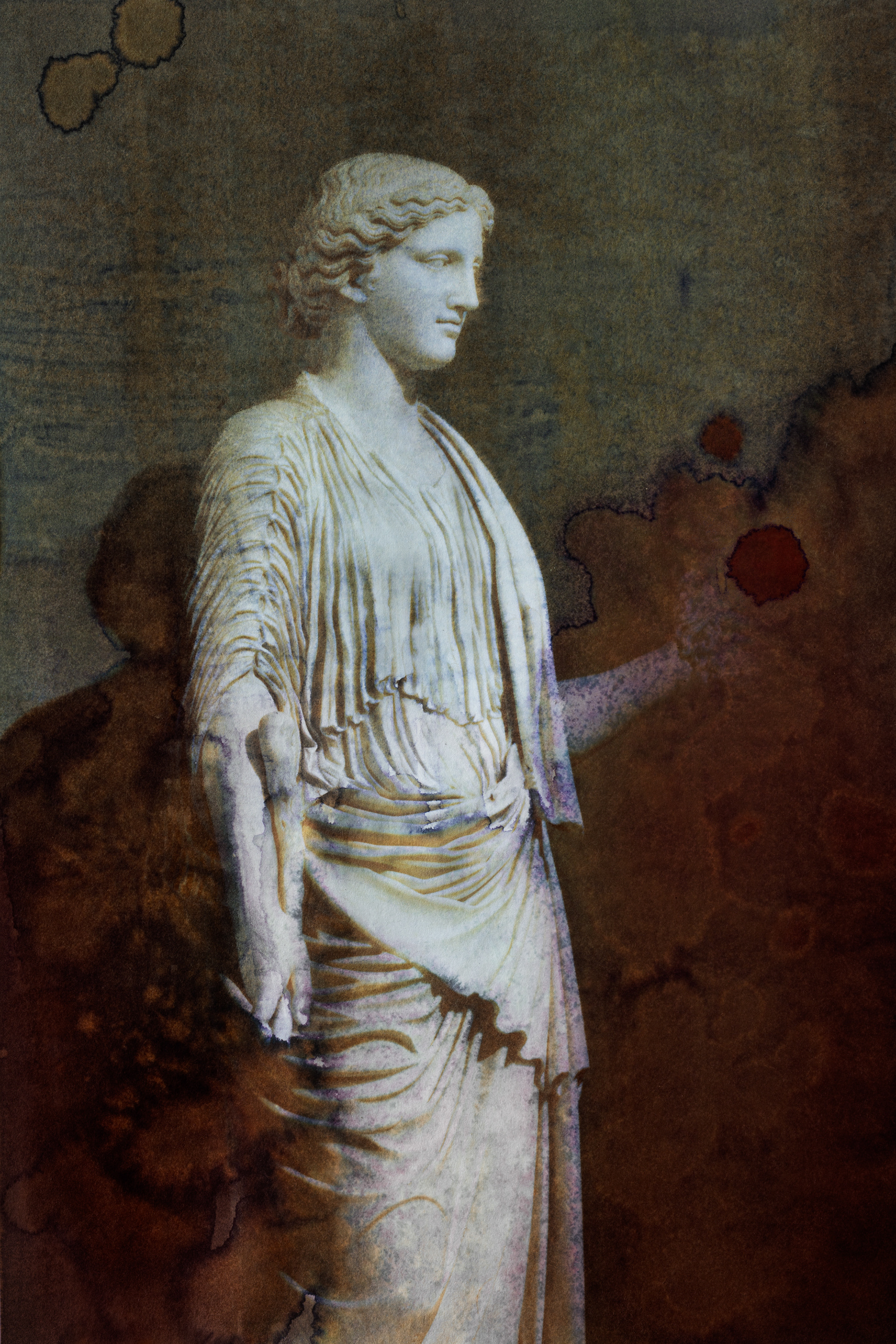
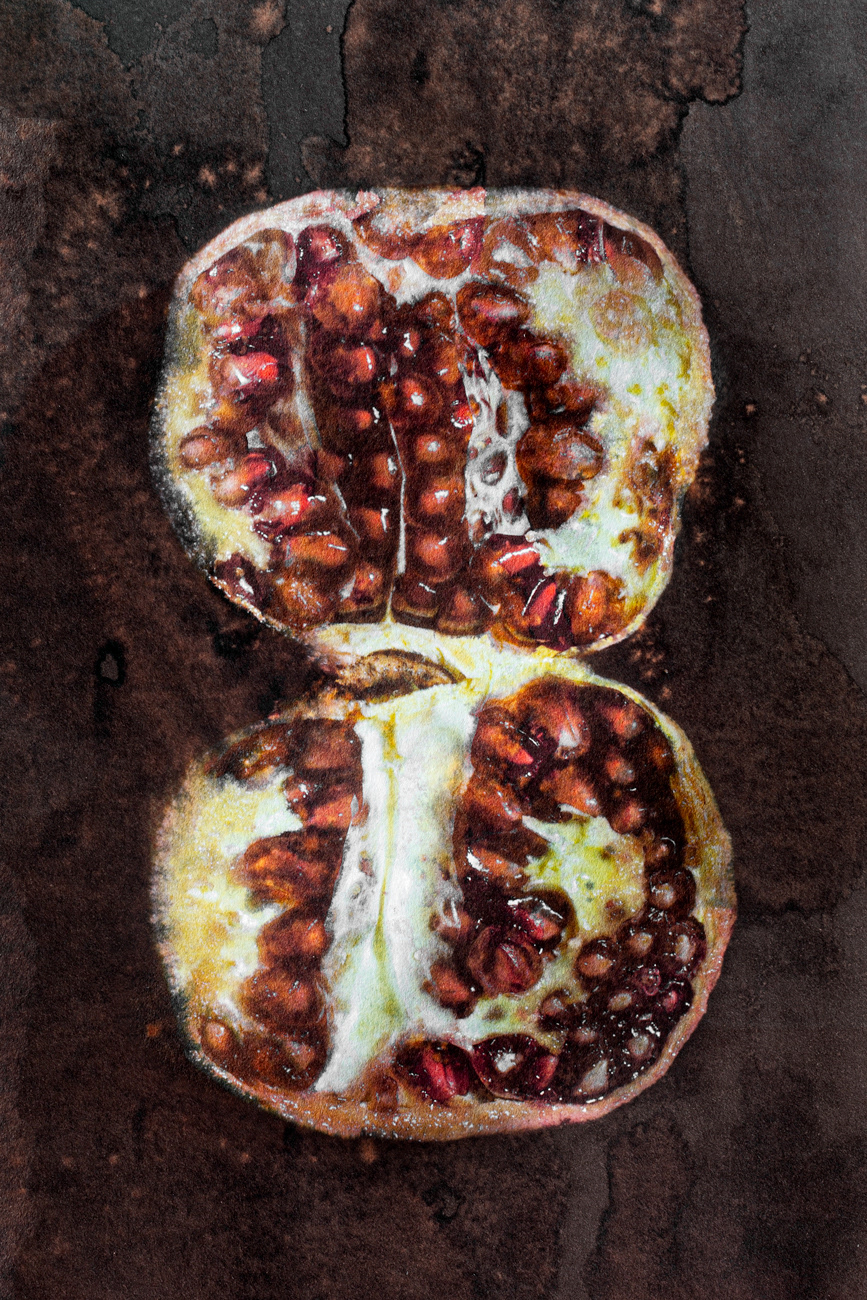
For millennia, the divine feminine has been fractured by patriarchal systems that sought to dismantle and disperse its power. The singular, encompassing presence of the Neolithic Great Goddess was not merely abandoned but deliberately fragmented; her attributes were divided among multiple deities, each carrying only a fraction of her original significance. This project is an act of visual resistance, a reweaving of what was severed, a retrieval of what was obscured.
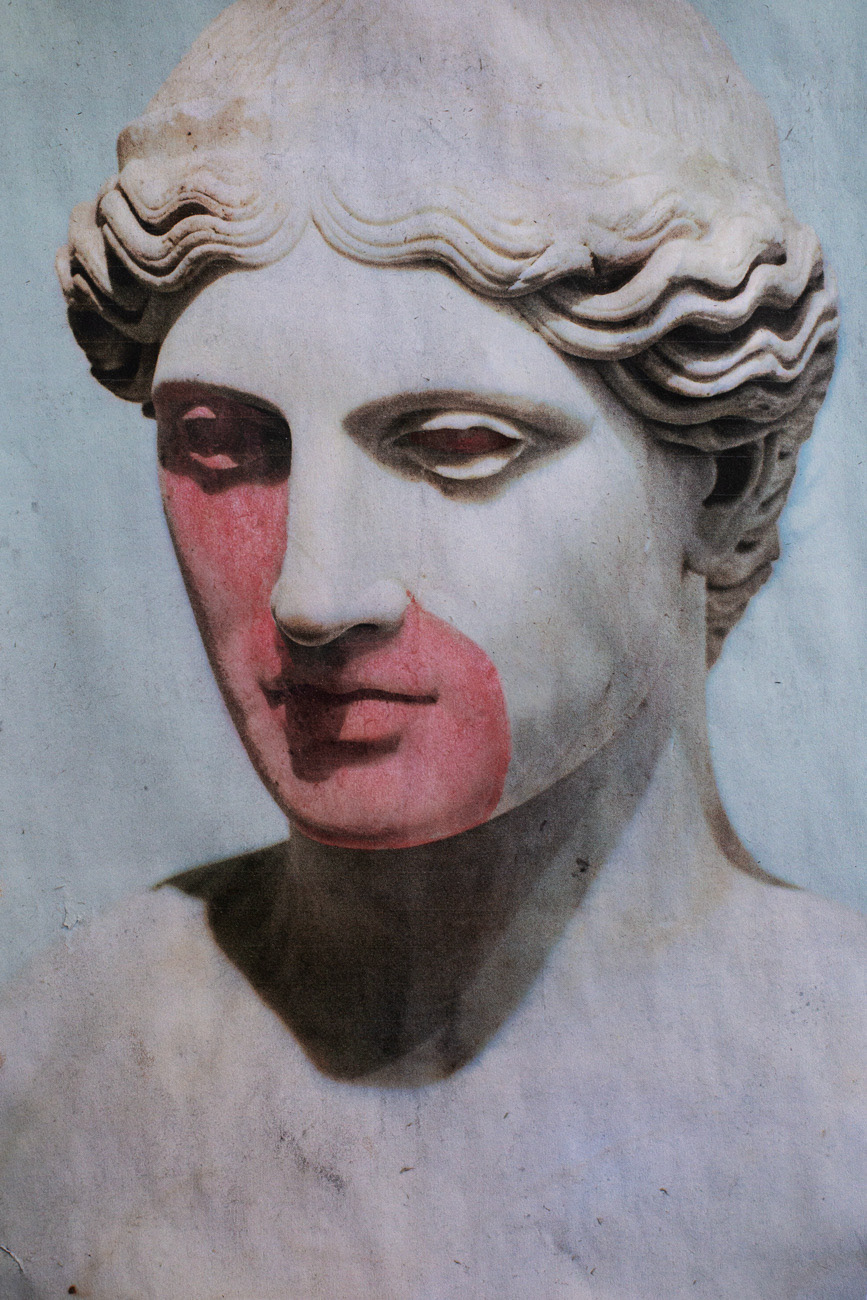
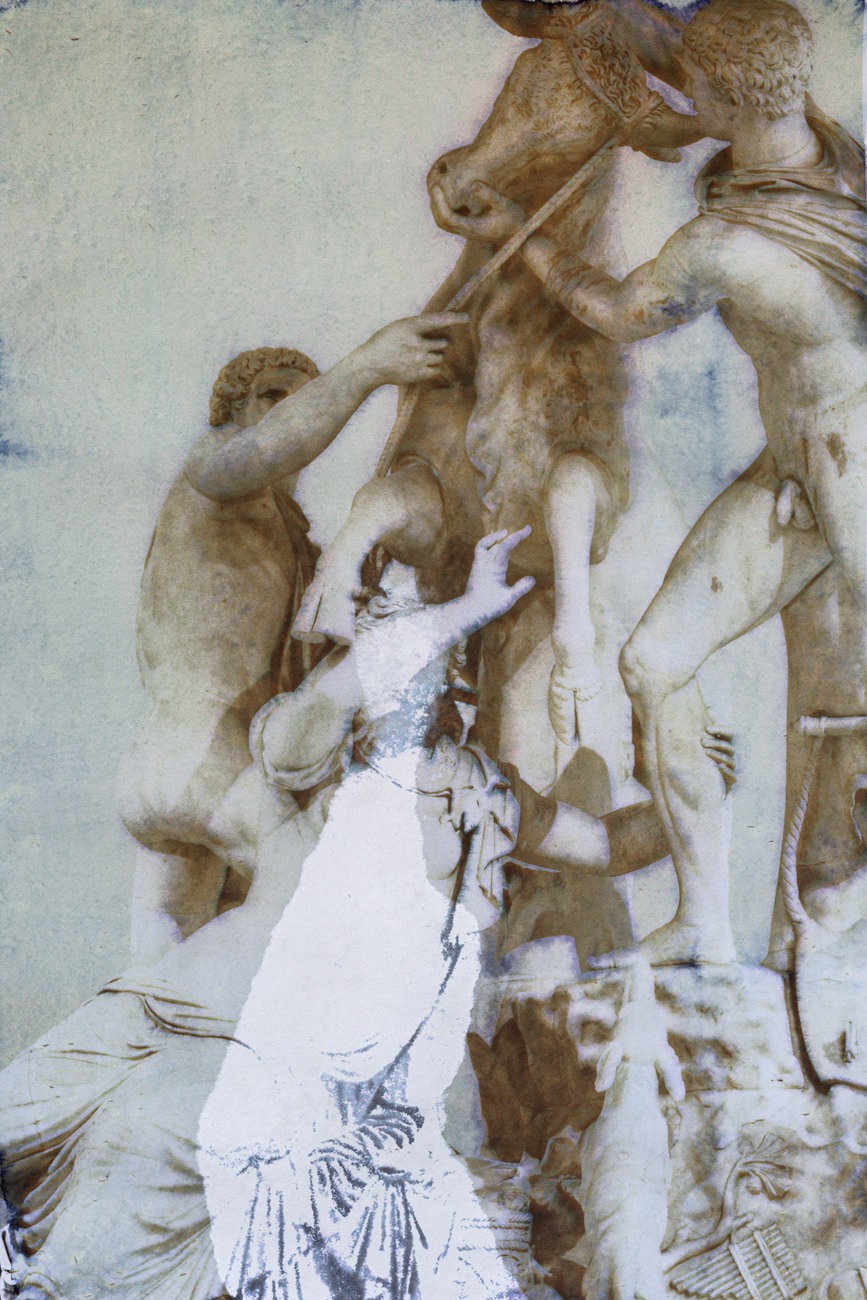
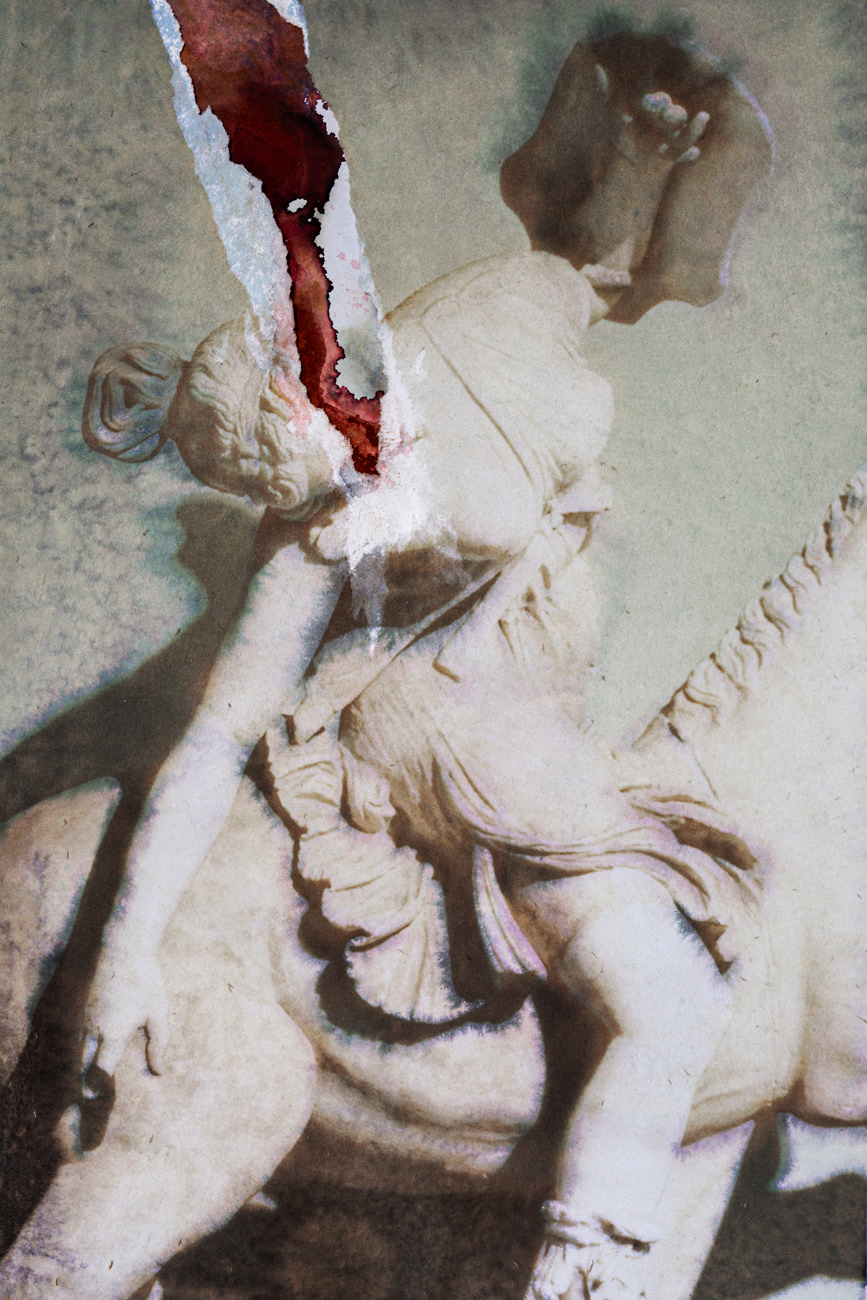
Mirionima is a photography and mixed-media project that draws its title from the many epithets given to the Great Goddesses of antiquity — figures like Tanit, Isis, and the Great Goddess of Old Europe. The project is grounded in lens-based documentation of classical sculptures housed at the National Archaeological Museum of Naples and other institutions in Southern Italy.
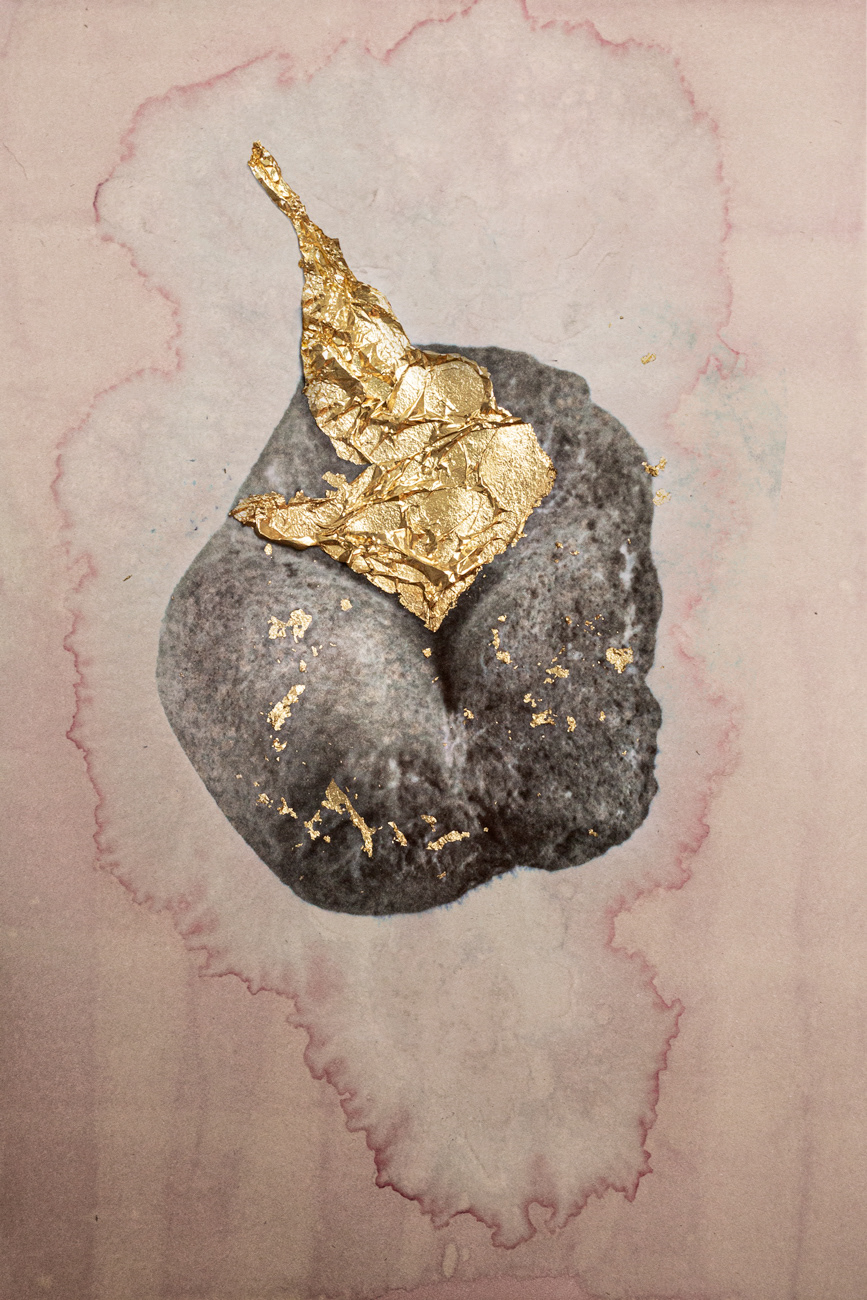
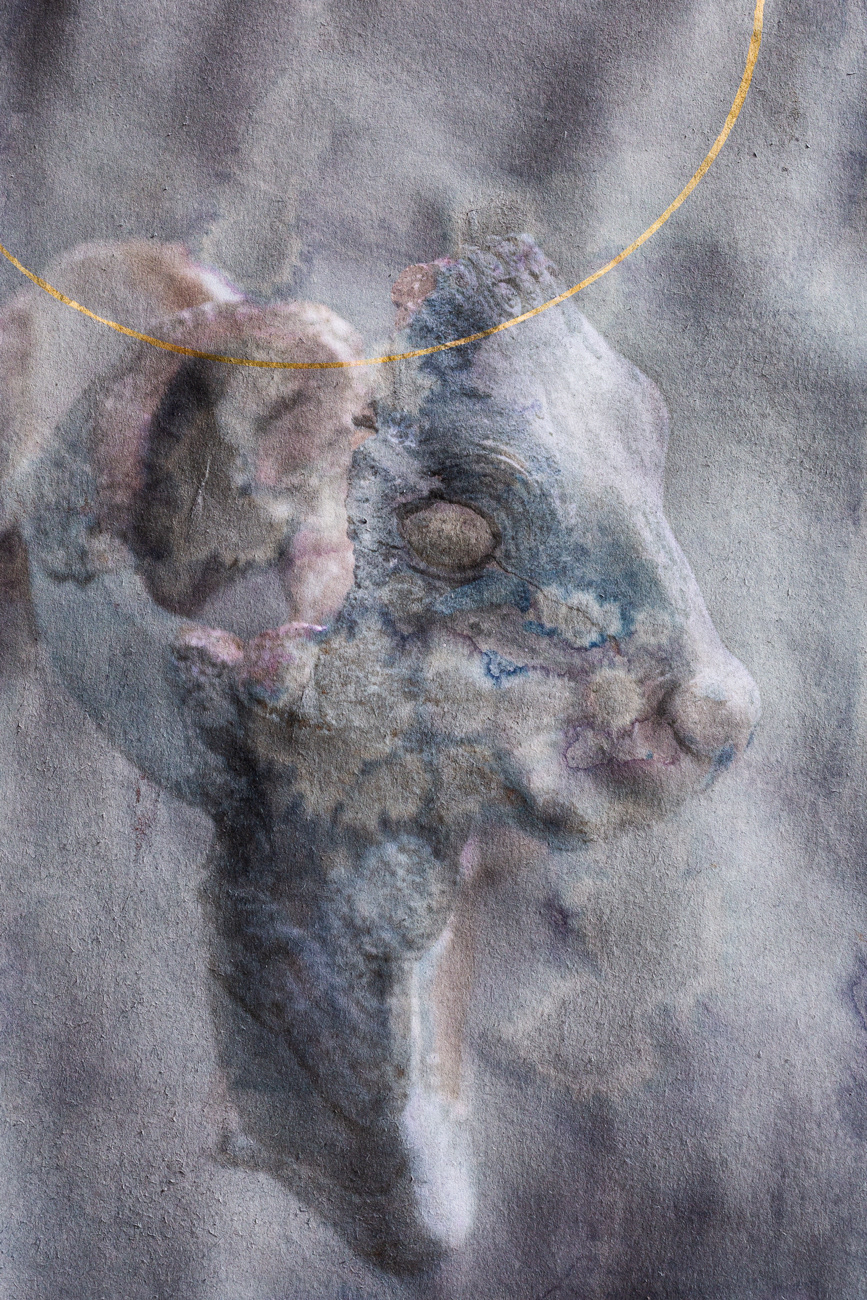
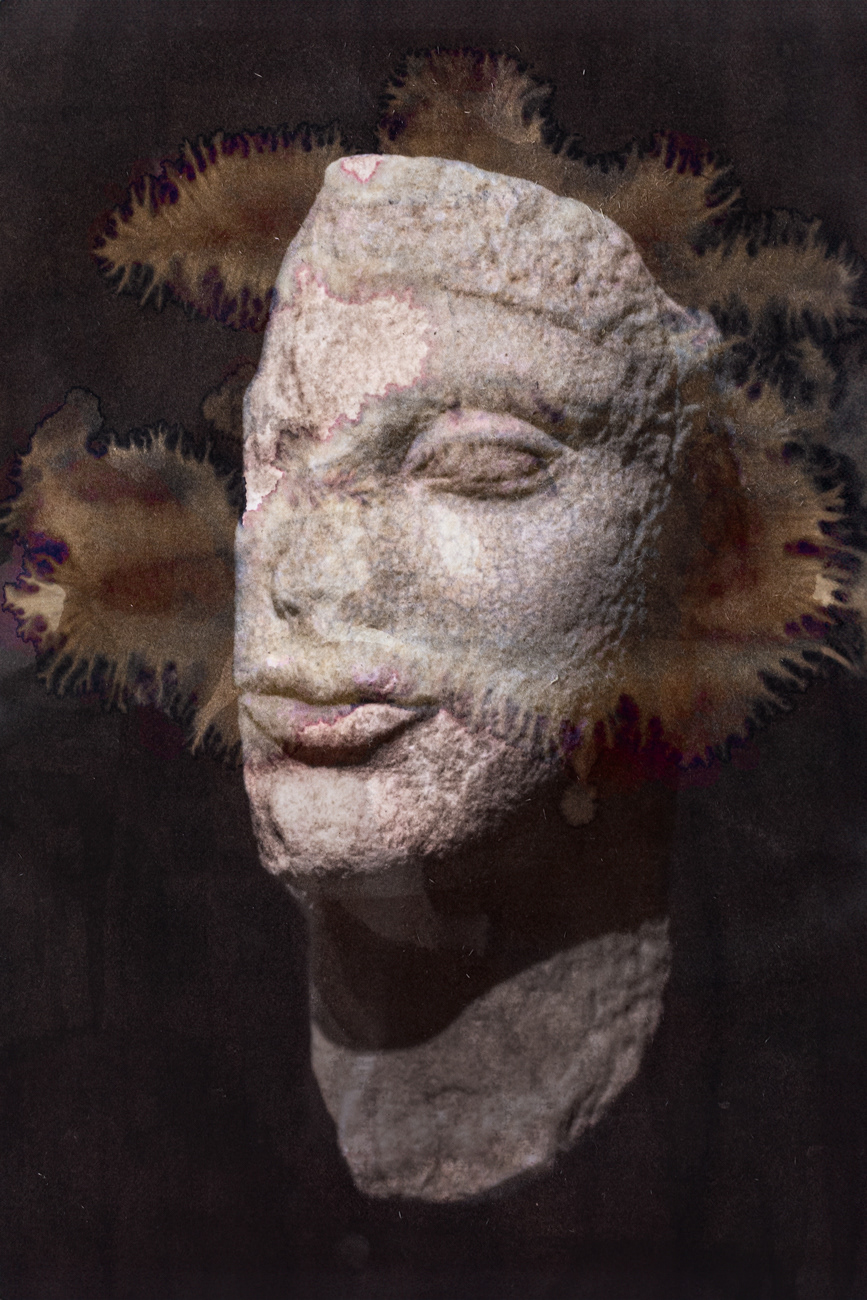
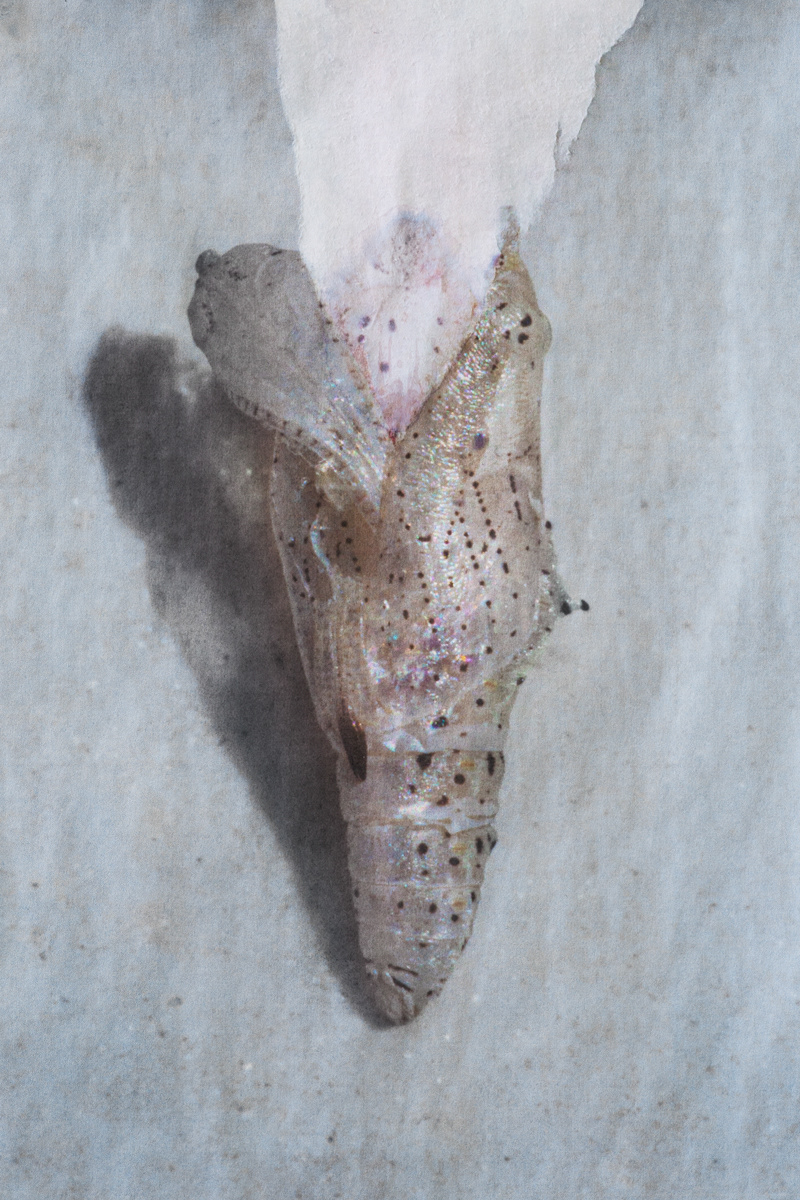
The photograph is not the final object, though: through analog interventions upon the printed images, I inscribe new layers of meaning onto these figures: torn paper, layered textures, and red ink become visual echoes of silencing—a record of the violence that sought to erase an alternative understanding of power. Intervening on these representations with stitching and manual repairs is an act of restoring coherence to something systematically broken apart. I challenge the historical objectification of these figures, re-imagining them as vessels of agency, defiance, and continuity.
The photograph is not the final object, though: through analog interventions upon the printed images, I inscribe new layers of meaning onto these figures: torn paper, layered textures, and red ink become visual echoes of silencing—a record of the violence that sought to erase an alternative understanding of power. Intervening on these representations with stitching and manual repairs is an act of restoring coherence to something systematically broken apart. I challenge the historical objectification of these figures, re-imagining them as vessels of agency, defiance, and continuity.
At its core, the project is driven by a question that has lingered beneath the surface of my consciousness for years, emerging with urgency after becoming a mother and confronting the challenges imposed by a society designed for men: what might the world look like if, instead of venerating male, paternal deities, we had continued to revere a female, maternal goddess, one who governs the cycles of birth, life, death, and rebirth in harmony with nature? How might this paradigm have reshaped women’s self-perception, their roles in society, and the balance of power between genders?
Mirionima is not an attempt to reconstruct an idealized past, but to carve out a space for imagining alternative futures. It is a visual manifesto of the divine feminine that refuses to be silenced—an invitation to resist, reclaim, and restore what has been lost.
Mirionima is not an attempt to reconstruct an idealized past, but to carve out a space for imagining alternative futures. It is a visual manifesto of the divine feminine that refuses to be silenced—an invitation to resist, reclaim, and restore what has been lost.
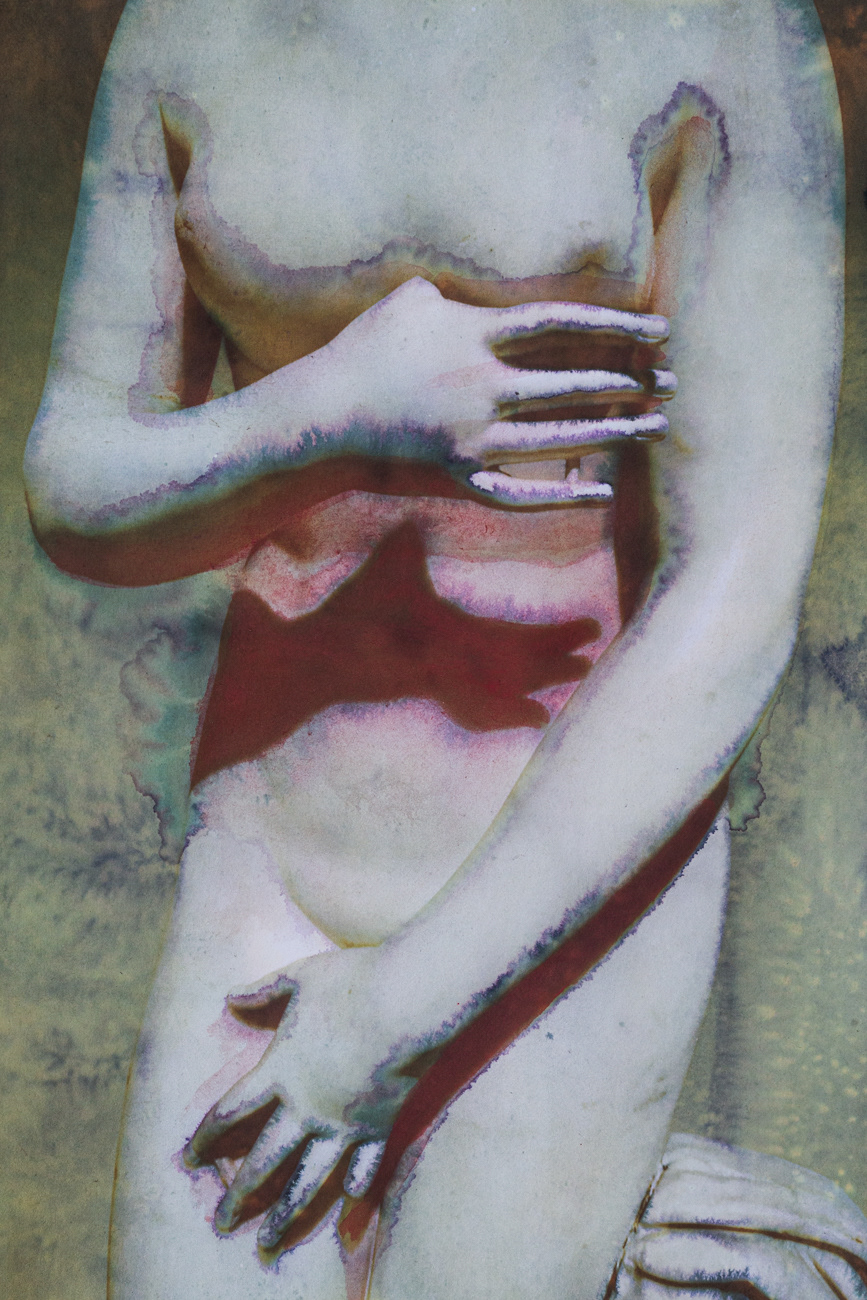
Mirionima is an ongoing project, read more on Substack